


Research
Cities like Brussels are among the most diverse and complex social environments in Europe. Higher education increasingly embraces interdisciplinary work, although implementation requires thorough preparation and deliberate cultivation of a a specific set of skills and competences like collaborating across disciplines, engaging with communities, and navigating genuine uncertainty. T-LAB (Transformative Learning Ateliers for Boundary-Crossing Competence) introduces Challenge-Based Learning as a structured pedagogical approach in which students from different disciplines work together in superdiverse teams on real societal challenges. The project studies how this kind of learning develops creativity, metacognitive awareness, and boundary-crossing competence: the ability to work meaningfully across disciplinary, cultural, and institutional lines.
Funded through the Marie Skłodowska-Curie Actions programme (Horizon Europe) and based at VUB and ULB in Brussels, T-LAB directly addresses one of the city's and Europe's most urgent priorities: building an educated workforce capable of connecting knowledge to context, and of contributing imaginatively to a shared urban future.
Biography
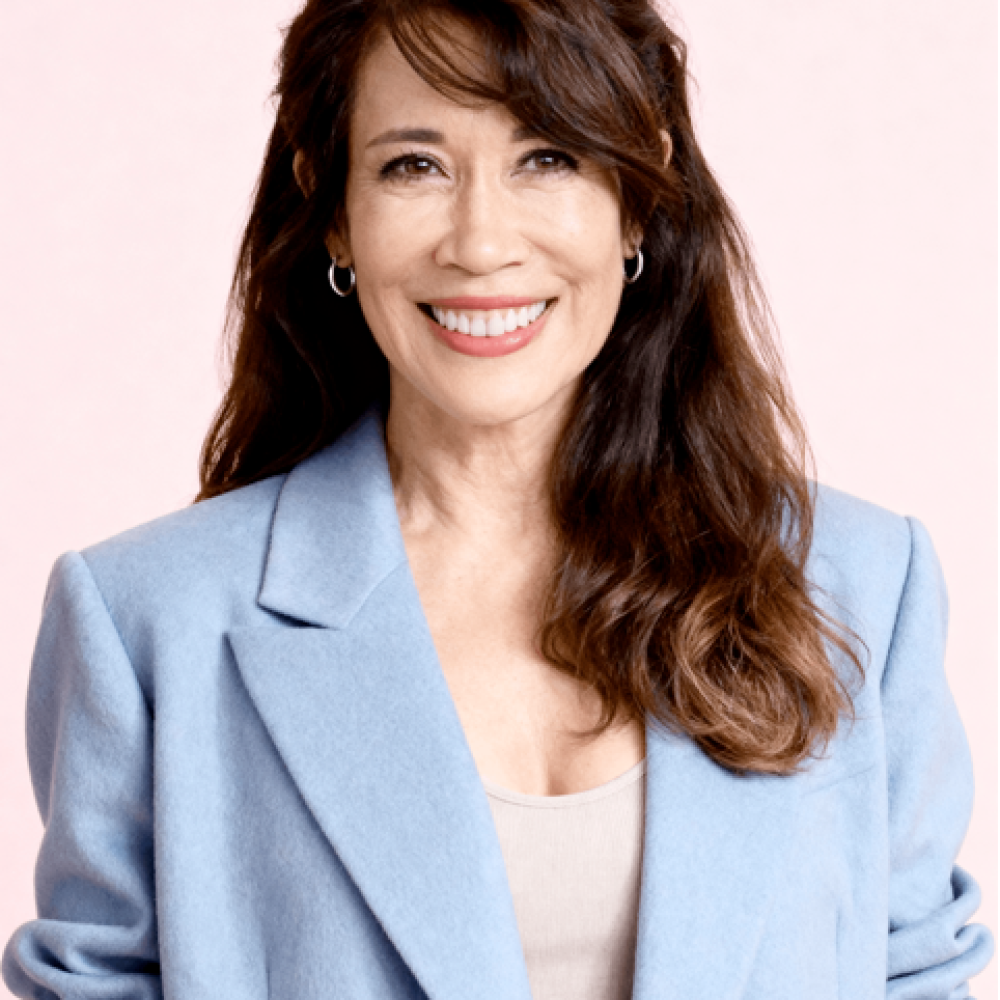
Tamara Rumiantsev is a researcher and arts educator whose career spans two decades of teaching, performance, and academic leadership. Originally trained as a concert pianist, she holds a PhD in Educational Sciences (Leiden University, 2022) and has served as Director of Research at ArtEZ University of the Arts. Her work focuses on collaborative learning, creativity, and how people develop the capacity to navigate complex, real-world challenges; questions she brings to both conservatoire classrooms and broader higher education contexts.