


Research
Title of the project: Hepatotoxic risk assessment of environmental contaminants exposure during chemotherapy (HepaRisk)
|
The liver is our body's main detoxification organ, responsible for processing medicines and eliminating harmful substances. It is particularly vulnerable in cancer patients because many chemotherapy treatments can cause serious liver damage, potentially affecting treatment outcomes and quality of life. At the same time, we are continuously exposed to environmental contaminants through food, drinking water, and everyday consumer products. Despite growing concerns in public health, very little is known about how these contaminants may interact with chemotherapy during cancer patients' routine care. The Heparisk project addresses this important knowledge gap by investigating whether exposure to environmental contaminants can worsen liver damage caused by chemotherapy. The project focuses on two chemicals of increasing concern: GenX, one of the so-called "forever chemicals" that persist in the environment and in our bodies, and acetamiprid, a widely used pesticide. Heparisk will determine whether these chemicals interact with chemotherapy in ways that increase the risk of liver injury, and will identify populations that may be especially vulnerable, including people living with obesity, as well as exploring potential differences in susceptibility between men and women. Conducted at Vrije Universiteit Brussel (VUB) in collaboration with Université Libre de Bruxelles (ULB), Heparisk contributes to the Brussels Capital Region "Health and Well-being" societal Challenge, which aims to improve health outcomes and quality of life for all. By uncovering the biological mechanisms behind these effects, this research will support future prevention strategies, public health policies, and better clinical decision-making, ultimately helping to protect vulnerable patients and build healthier, more resilient societies. |
Biography
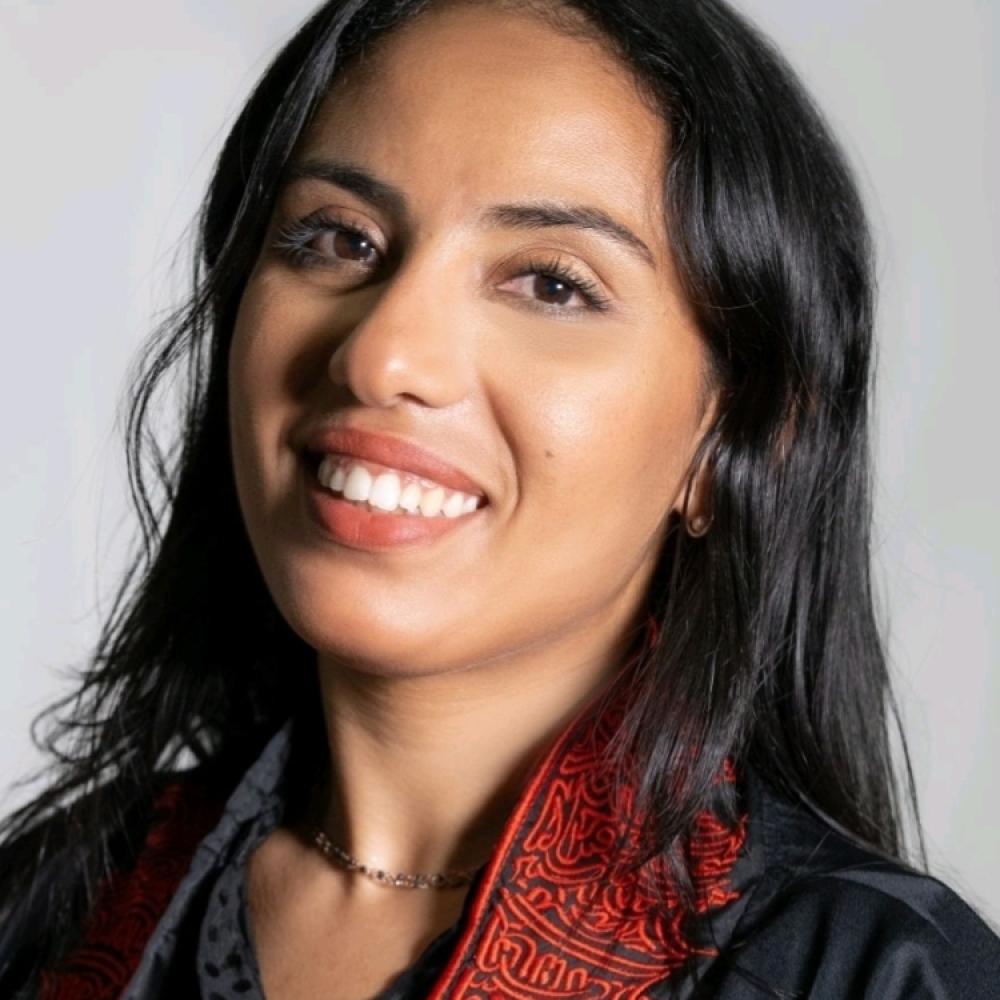
Dr. Zeineb Marzougui is a biotechnology engineer with a multidisciplinary background spanning environmental sciences, toxicology, and public health. She holds an engineering degree from the National School of Engineering of Sfax, Tunisia, a Master's degree, and a PhD in Environmental Sciences conducted jointly between the National Institute of Agronomy of Tunis, the Pasteur Institute of Tunis, and ANSES-Fougères, France, during which she specialised in the impact of environmental exposures on human health, with a particular focus on toxicology and public health issues. Her first postdoctoral research focused on emerging mycotoxins, New Approach Methodologies (NAMs), and liver toxicology, aiming to improve the assessment of chemical hazards while reducing reliance on traditional animal testing. Her current research interests lie at the interface of environmental toxicology, liver toxicology, and public health, with the goal of better understanding how environmental contaminants affect vulnerable populations.
Outreach activities
Member of Society of Environmental Toxicology and Chemistry SETAC: Science Committee member for SETAC Europe; Programme Committee member for SETAC Europe annual meeting, Geneva 2027